Use this site to prepare your thinking. Review a section, close it, and explain the idea in your own words. Add useful facts to your paper notes. For the open-binder assessment, use your paper binder and completed review sheets as directed by your teacher.
A manageable study route
Read the three lesson sections → check the timeline and vocabulary → try a few self-checks → organize your binder. Take breaks between sections. You can say your explanations aloud or write short bullets.
01 · Lesson 1
Roots of the conflict
The struggle began long before 1642. Earlier challenges to authority shaped arguments about who should hold power.
1215 · LAW
Magna Carta
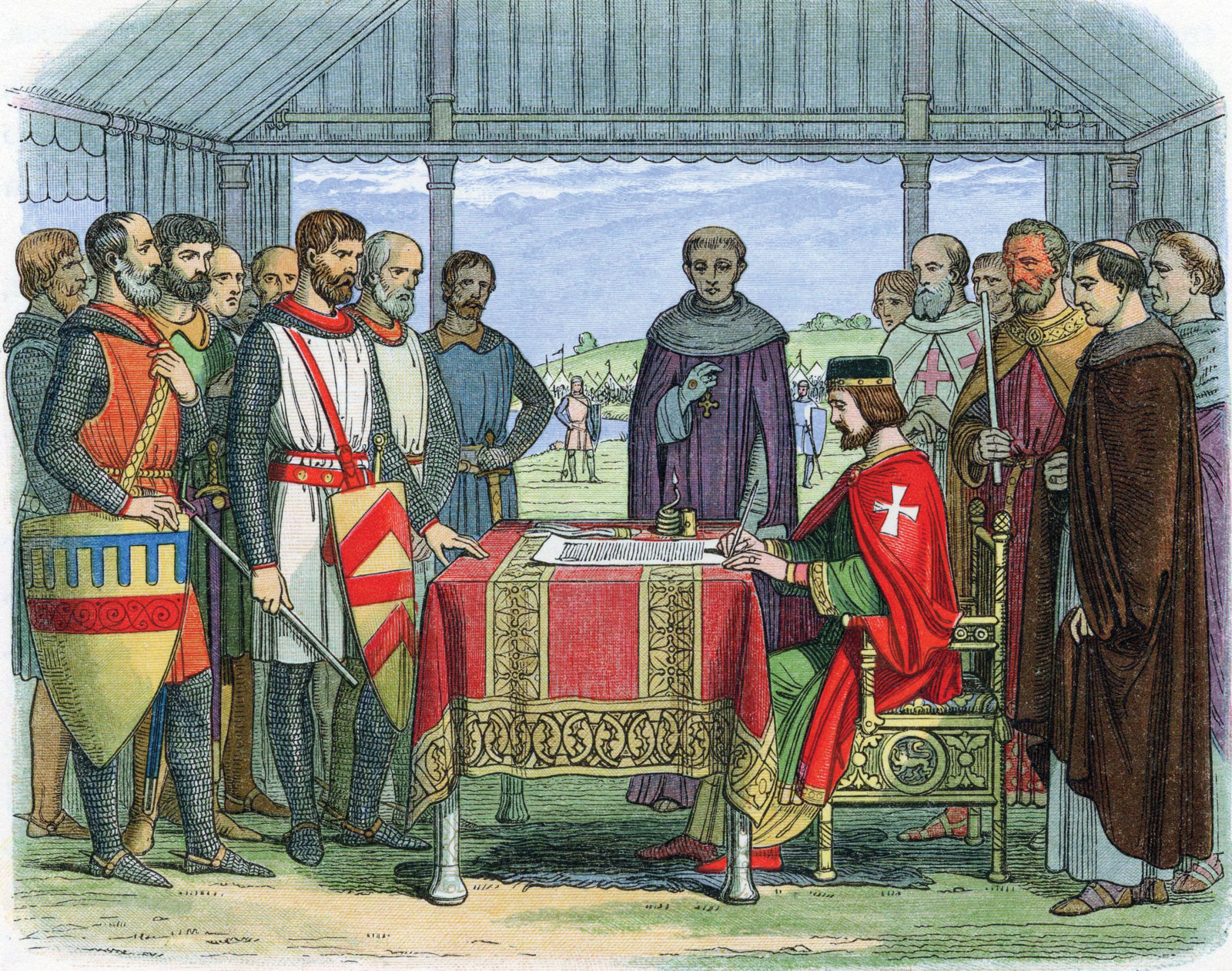
English barons forced King John to accept limits on his power. Magna Carta helped establish the principle that a king must follow the law.
It mainly protected privileged groups and free people. It did not give everyone equal rights or create modern democracy.
Quick reminder
A written rule can limit a ruler’s authority. Getting a ruler to follow that rule is a separate challenge.
An illustration of King John and Magna Carta. Think about who is demanding limits. · From our class slides.1500s · RELIGION
The Protestant Reformation
Reformers challenged Catholic Church teachings and authority. Protestant churches developed.
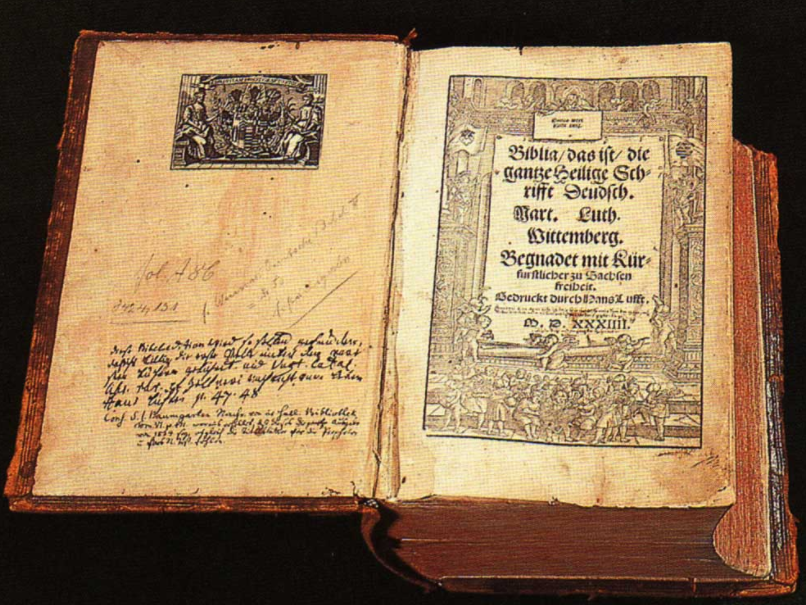
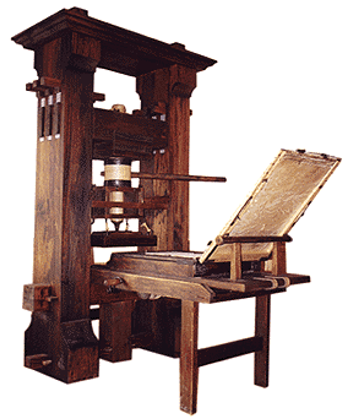
Bible translations into everyday languages and the printing press helped religious ideas reach more people. Access grew, but not everyone could read or obtain a Bible.
Why language mattered
Readers could study religious texts in a familiar language and take a more active role in interpreting them.
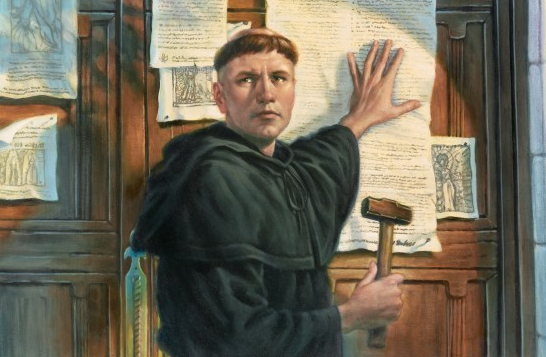
Martin Luther, a reformer associated with the Protestant Reformation. · From our class slides.1603–1625 · MONARCHY
The early Stuart kings
Elizabeth I worked with Parliament, especially when she needed money. In 1603, James VI of Scotland also became James I of England.
The two kingdoms shared a king but kept separate Parliaments. James argued with Parliament over money and authority. Charles I inherited these tensions when he became king in 1625.
Remember the distinction
The Union of the Crowns was a shared monarch, not a merger of England and Scotland into one kingdom.
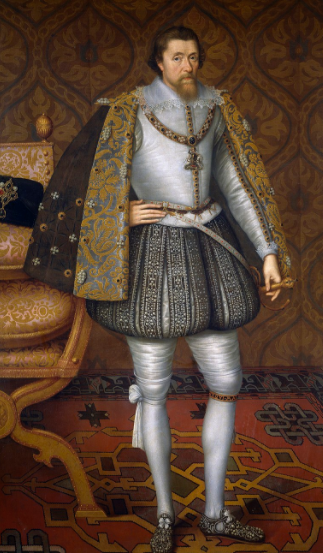
James VI of Scotland also became James I of England in 1603. · From our class slides.
Religious texts became available to more readers through translation and printing. · From our class slides.A printing press: a tool for making many copies and spreading ideas · From our class slides.
02 · Lesson 2
Three pressures collide
Use ESP to notice different kinds of conflict. One event can fit more than one category.
ECONOMIC
Money and taxes
Wars and government cost money. Charles wanted revenue, but Parliament resisted some of his demands.
Ship Money traditionally supported naval defence in coastal areas. Charles expanded it inland and collected it without Parliament’s approval.
Think beyond the money
Look at both who paid a tax and who claimed the authority to collect it.
SOCIAL
Religion and communities
Charles I, Puritans, and Scottish Presbyterians were Protestant, but they disagreed about worship and church authority.
Puritans wanted further reform of the Church of England. Many Scottish Presbyterians resisted Charles’s attempt to impose worship changes and a new prayer book.
Groups at a glance
Anglicans: the Church of England retained bishops and more ceremony. Puritans: wanted fewer practices they viewed as Catholic. Presbyterians: favoured a church governed by elders rather than bishops.
POLITICAL
Authority and trust
In 1628, Parliament presented the Petition of Right. Charles accepted it, but disagreements continued.
In 1629, he dissolved Parliament and began about eleven years of Personal Rule. War with Scotland increased costs. He recalled Parliament in 1640, bringing unresolved disputes back into government.
By 1642, disputes over taxes, religion, and control of the army had helped destroy trust.
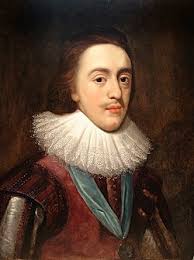
Charles I: disputes over royal authority, taxation, and religion. · From our class slides.
Who fought in the Civil War?
Side
Supported
View of power
Royalists / Cavaliers
Charles I
Supported royal authority; feared Parliament was taking too much power.
Parliamentarians / Roundheads
Parliament
Wanted limits on the king. Many Puritans supported this side.
Historical perspective
People within each side had different motives. Understanding why someone supported a side does not mean agreeing with them.
Closer look · Religion & authority
Protestant, but not all the same
Anglicans, Puritans, and Presbyterians were all Protestant Christians. They did not accept the Pope as head of their church. But they disagreed about worship and who should lead the church.
Three Protestant groups in our English Civil War unit
Group & location
Worship: what did they prefer?
Leadership: who should run the church?
Connection to Charles I
Anglicans Church of England
Kept more ceremony, formal services, and a set prayer book. The church was Protestant, even though critics thought some practices looked Catholic.
Bishops led the church. The monarch held an important position at its head.
Charles supported bishops and Anglican-style worship. He wanted people to follow the religious rules he supported.
Puritans A reform movement especially important in England
Wanted to “purify” the church by removing more practices they saw as Catholic. They preferred simpler worship and a strong focus on the Bible.
Wanted further reform. Many challenged the power of bishops, but Puritans did not all agree on one system of church leadership.
Many disliked Charles’s religious changes because they thought he was moving the church in the wrong direction. Many supported Parliament.
Presbyterians Especially important in Scotland; also present in England
Favoured simpler Protestant worship. Many Scottish Presbyterians opposed the new prayer book Charles tried to introduce.
Ministers and elders governed through church assemblies, rather than bishops.
Many resisted Charles’s attempt to impose worship changes and royal control over their church.
A simple way to remember
Anglican: Church of England, bishops, more ceremony. Puritan: further reform, simpler worship, fewer practices seen as Catholic. Presbyterian: church leadership through ministers and elders instead of bishops.
Why this mattered: disagreement within Protestantism could become a struggle over authority. Charles I was Protestant, but that did not mean other Protestants agreed with his religious policies.
These labels are a useful comparison, not three completely separate boxes. Puritanism was a reform movement, and some Puritans favoured Presbyterian church government. People within each group also disagreed.
Closer look · Scotland & ESP
A religious conflict becomes a crisis over money and power
Charles I’s conflict with Scotland shows why ESP factors should be connected, rather than treated as separate boxes.
SOCIAL · BELIEFS & WORSHIP
What started the resistance?
Charles tried to impose Anglican-style worship and a new prayer book in Scotland. Many Scottish Presbyterians resisted these changes.
They were Protestant, and Charles was Protestant too. They disagreed about how to worship and how the church should be governed.
ECONOMIC · WAR COSTS
Why did money become a problem?
The dispute led to war with Scotland. Armies, supplies, and fighting cost money, putting more pressure on Charles’s finances.
He had been ruling without calling Parliament, but now needed more funds. In 1640, he recalled Parliament.
POLITICAL · WHO DECIDES?
Who could control the decisions?
Charles’s attempt to control Scottish worship was also a question of authority: could the king impose rules that communities rejected?
When Parliament returned, disagreements over approving taxes and limiting royal power returned too. Charles needed its help, while Parliament wanted a stronger say in government.
Follow the connections
Worship changes are imposed. Scottish Presbyterians resist.
Resistance leads to war. The conflict creates military costs.
Charles needs more money. He recalls Parliament in 1640.
Old political disputes return. The king and Parliament disagree over money and authority.
The key connection: beliefs affected people’s actions; those actions created costs; the need for money changed who Charles had to work with.
Use your historical thinking tools
Notice where two factors overlap: imposing worship involves both beliefs and authority; funding a war involves both costs and decisions about taxes.
Use these connections to develop your own reasoning. This section gives review facts and relationships, not a finished assessment paragraph.
03 · Lesson 3
After the war: power keeps changing
1649 · COMMONWEALTH
The king is executed
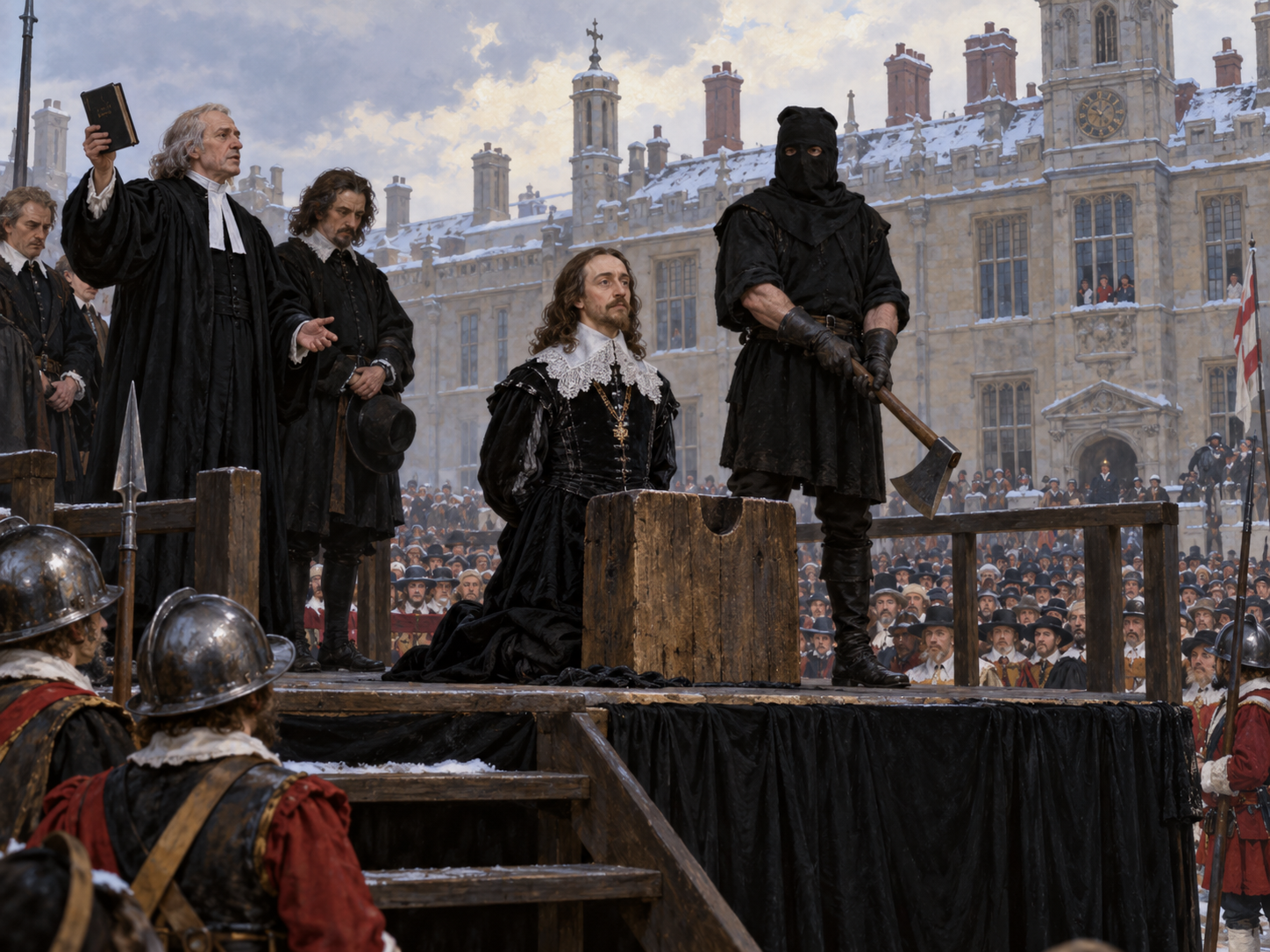
Charles I was tried for treason and executed in 1649. This challenged royal authority. England became a republic, called the Commonwealth, without a monarch.
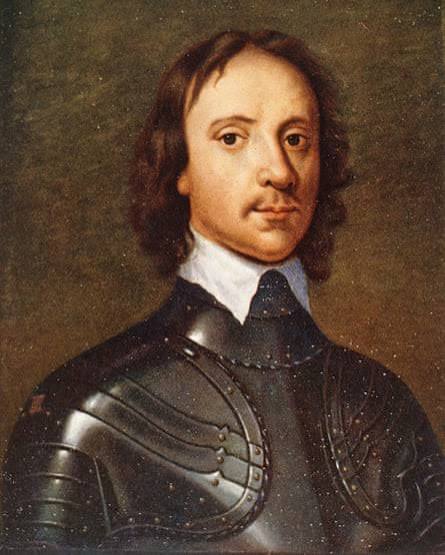
Oliver Cromwell had helped lead Parliament’s army. The army became a major force in government.
Illustration of Charles I’s execution in 1649. This is a depiction of the event, not a photograph. · From our class slides.1653 · PROTECTORATE
Cromwell as Lord Protector
Cromwell became Lord Protector in 1653. He was not a king, but he and the army concentrated power.
His government promoted strict moral rules. Military Major-Generals enforced order in regions; gambling, drunkenness, and disorderly alehouses could be targeted. Some theatres remained closed.
Some people valued order or supported Puritan goals. Others resented military control and restrictions. Catholics faced harsh treatment.
Oliver Cromwell, military leader and later Lord Protector. · From our class slides.1660 · RESTORATION
The monarchy returns
Cromwell died in 1658. Political instability followed. In 1660, Charles II, the son of Charles I, returned as king. This was the Restoration.
The struggle over royal power continued. Habeas corpus meant that imprisonment had to follow a lawful process.
1688–1689 · NEW MONARCHS
The Glorious Revolution
James II became king in 1685. His Catholicism and use of royal authority worried many Protestant leaders.
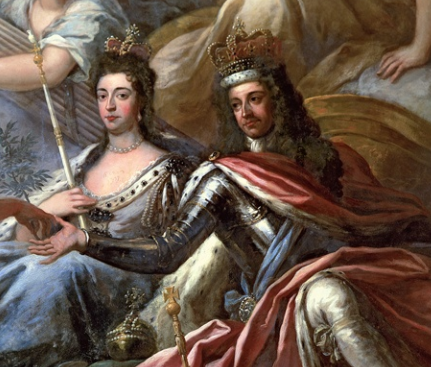
In 1688, William of Orange arrived with an army and James fled. Parliament offered the Crown to William and Mary in 1689.
The English Bill of Rights set clearer limits on the Crown. The monarchy remained within a system of stronger legal and parliamentary limits.
William and Mary became joint monarchs in 1689. · From our class slides.
Pause and notice
Track two things separately: the title a ruler holds and the power they actually exercise. Also ask whose rights are protected and whose are excluded.
04 · Reference desk
Limits on kings become clearer
Start with a broad idea, then look at the more specific rules: what does the king need permission to do?
Document
In plain language
How the limits become clearer
Magna Carta 1215
“The king must follow the law.” Barons forced King John to accept limits.
The broad starting idea: the king is not above the law. It protected certain groups, not everyone equally.
Petition of Right 1628
“The king cannot collect taxes without Parliament’s approval or imprison people without a lawful reason.”
More specific limits: Parliament names actions Charles I should not take. The rules focus on money and imprisonment.
English Bill of Rights 1689
“The monarch must follow clearer rules and respect Parliament’s role.” For example, taxes and a peacetime standing army need Parliament’s consent. The monarch cannot suspend laws alone.
Clearer rules for governing: Parliament’s rights are spelled out, including free speech within Parliament, free parliamentary elections, and frequent meetings.
The progression to remember
A broad idea about following the law → specific limits on royal actions → clearer rules protecting Parliament’s role.
This is a simple way to track the ideas we studied. Magna Carta itself also contained detailed rules. None of these documents gave everyone equal rights or the vote. The plain-language statements above are summaries, not quotations from the documents.
05 · Put it in order
The timeline
Focus on sequence and turning points. Dates help you keep events in the right order.
Choose two factors. Explain the link with a verb such as increased, restricted, challenged, pressured, or enabled.
Try it with Ship Money: who paid it, and who decided to collect it? Develop your own explanation.
The POWER lens
P — Power: Who holds or challenges it? O — Outcomes: Who might gain or lose? W — Worldviews: What beliefs shape actions? E — Evidence: Which details support the idea? R — Response: How do people respond?
Try it with a Royalist in 1642. Explain their viewpoint using the context of the time.
Continuity, change, significance
Continuity: What persists? Change: What becomes different? Significance: Why does that difference matter?
A change can benefit one group while leaving others excluded. Support your judgment with a specific detail.
Build a historical paragraph
Make a claim that answers the question.
Select relevant, specific evidence.
Explain what the evidence shows.
Connect the ideas and explain why they matter.
Optional sentence starters
“My main point is…” “One relevant example is…” “This supports my point because…” “A limit to this change was…”
A list of facts becomes reasoning when you explain the relationship between them. Length alone does not make an answer stronger.
07 · Key language
Vocabulary you can use
No matching terms. Try a shorter word.
08 · Low-pressure practice
Check the building blocks
These are review checks, not the final assessment. Feedback explains one fact at a time. There is no timer and no score to submit.
0 of 10 checked
Practise making a connection
Choose one: explain why the printing press mattered for access to religious ideas; explain why the Union of the Crowns did not merge the kingdoms; or explain why different people might support different sides in 1642.
This space is temporary. Nothing is sent to your teacher. Copy anything you want to keep into your own notes.
Check your explanation
Did you name a specific historical detail? Did you explain how it supports your idea? Is your explanation in your own words? There is no model answer here.
09 · Ready your binder
Prepare your notes, prepare your thinking
Use short headings, tabs, or page labels to find material quickly. Ask your teacher about any missing notes or approved supports.